How Skylights Rooflights Transform Any Space
Maximizing Natural Light: The Impact Skylights Have on Your Home
Skylights provide a sensible choice for homeowners wanting to increase natural light in their homes. They offer an excellent means to boost both comfort and energy performance. Beyond their visual benefits, skylights can considerably influence energy efficiency and living conditions. However, selecting the right type and placement is vital for achieving optimal results. Recognizing these considerations can lead to a healthier and more energy-efficient living space. What considerations should homeowners keep in mind?
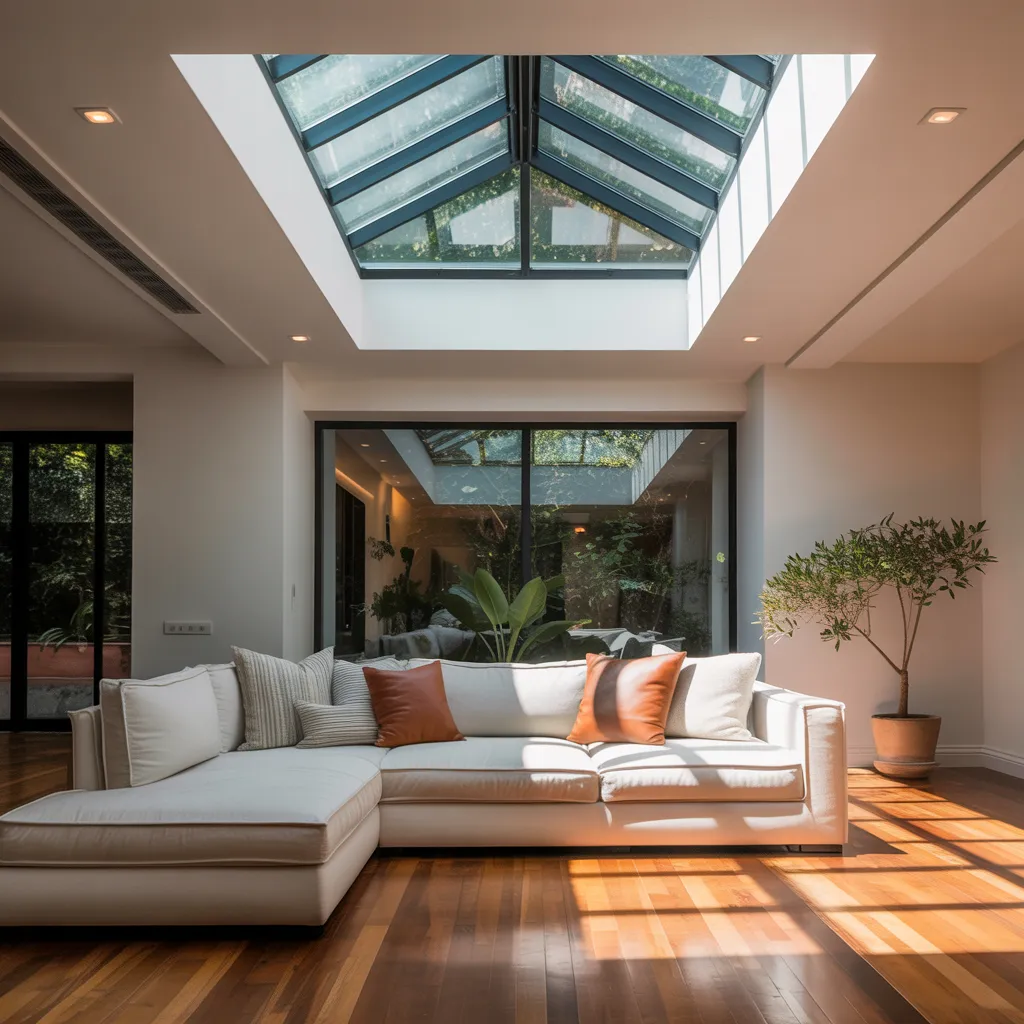
Reasons to Choose Skylights for Your Home
Skylights present a remarkable opportunity for homeowners seeking to enhance their living spaces. By introducing natural light into areas that may otherwise be dim, skylights create a more inviting and vibrant atmosphere. This surge of sunlight can give rooms a more expansive and open feel, supporting an enhanced sense of wellness. Additionally, skylights can serve as a design focal point, merging utility with timeless elegance.
The versatility of skylights allows for installation in various spaces, spanning from kitchens through to bathrooms, improving the overall ambiance of each room. They are also capable of providing ventilation, improving air circulation and reducing humidity levels. Furthermore, the capacity to capture natural daylight not only enhances a home's interior but can also have a positive impact on mood. Choosing skylights represents a thoughtful investment in both the comfort and beauty of a home, rendering them an ever more favored solution for homeowners aiming to optimize their home environments.
How Skylights Help You Cut Down on Energy Costs
Taking advantage of natural daylight can lead to significant savings on utility expenses. Skylights provide homeowners the ability to harness sunlight efficiently, reducing the reliance on man-made lighting during daylight hours. By lighting areas with natural light, they can decrease electricity consumption, particularly in areas that require consistent lighting, such as kitchens and living rooms.
In addition, strategically placed skylights can improve airflow, encouraging air movement and decreasing the need for air conditioning in summer months. This organic cooling benefit can result in reduced energy expenses, particularly in climates where cooling systems are heavily relied upon.
In addition, a wide range of today's skylights are designed with advanced glazing technologies that reduce heat loss during colder months. This feature helps maintain a comfortable interior climate while decreasing heating bills. In summary, the addition of skylights not only enhances the beauty of a space but also supports a more sustainable living environment, resulting in lasting monetary savings.
Understanding the Different Types of Skylights
When evaluating the installation of skylights, it is important to be aware of the various types available, as each design serves specific purposes and design needs. Fixed skylights are immovable and mainly designed to bring in natural light, making them perfect for spaces where ventilation is unnecessary. Ventilated skylights, on the other hand, can be unlocked, facilitating airflow and boosting indoor air quality. Tubular skylights are small and channel light through reflective tubes, excellent for tight spaces or hallways. Additionally, there are dome skylights that offer a unique visual appeal while efficiently diffusing light. Skylights can also be grouped by their frame materials, including wood, aluminum, and vinyl, each providing different levels of durability and upkeep. Knowing these alternatives enables homeowners to choose the skylight type that best complements their space and satisfies their particular lighting needs.
Expert Skylight Placement Tips for Optimal Light
When planning skylight installation, the location of these features is essential for maximizing natural light. Optimal room choices, such as kitchens and living areas, benefit greatly from thoughtful positioning. Moreover, the direction and angle of the skylights can improve light intake across the day.
Best Room Placement Options
Where should read about this skylights be installed to most effectively boost natural light? The ideal locations for skylights include rooms that benefit from abundant natural light, such as living rooms, kitchens, and bathrooms. These areas often lack sufficient windows, making skylights a perfect solution. Within living rooms, skylights are capable of establishing a cozy and welcoming ambiance, whereas in kitchens, they can efficiently brighten work areas. Bathrooms similarly benefit from improved natural lighting, lending a greater sense of space. Moreover, stairwells and hallways can be dramatically improved through thoughtfully installed skylights, elevating both brightness and ambiance. By taking these optimal placements into account, homeowners can substantially boost natural light within their living spaces, creating a radiant and welcoming setting.
Direction and Orientation
The angle and orientation of skylights play a crucial role in enhancing natural light inside a room. For best results, skylights should be positioned facing south to harness the maximum sunlight during the day. This positioning provides steady illumination, particularly during the winter season when the sun sits lower in the sky. With east and west-facing skylights, the morning and afternoon sunlight can be utilized efficiently, although supplemental shading may be needed to avoid excessive heat. The tilt of the skylight must also be taken into account; an angle between 30 to 45 degrees can improve light distribution while reducing glare. Ultimately, thoughtful placement and orientation will guarantee that natural light floods the home, creating a brighter and more inviting atmosphere.
Ways Skylights Improve Your Home's Aesthetic
Skylights function as striking architectural features that can greatly improve a home's overall appearance. By bringing in natural light from above, they create a sense of openness and airiness, turning even the gloomiest rooms into vibrant, inviting environments. The dance of light and shadow produced by skylights highlights structural features, highlighting textures and colors in a room.
Moreover, skylights may be carefully positioned to capture stunning vistas of the sky, trees, or nearby outdoor environments, connecting the outside world with indoor spaces. This integration cultivates a balanced living atmosphere and can evoke a sense of tranquility. They also come in various designs, from traditional to modern, giving property owners the freedom to pick styles that match their home decor and building design. Ultimately, the inclusion of skylights not only enriches the visual appeal of a home but also boosts overall value by transforming spaces into larger and more accommodating environments.
Maintenance Tips for Long-Lasting Skylights
To ensure skylights continue to be a permanent fixture in a residence, consistent upkeep is necessary. Homeowners ought to develop a regular cleaning routine, inspect seals and flashing, and watch for any indication of leaks. These preventative measures help preserve the performance and reliability of skylights in the long run.
Standard Cleaning Schedule
Creating a consistent cleaning schedule is important for upholding the transparency and effectiveness of skylights. Dust, pollutants, and debris can accumulate over time, blocking natural light and diminishing the overall aesthetic appeal. It is recommended to service skylights at least biannually, ideally in spring and fall, when atmospheric conditions are optimal. Employing a soft cloth alongside a mild, non-abrasive solution can prevent scratches and preserve the surface. For difficult-to-access spots, a rubber squeegee on a telescoping pole can thoroughly clear away dirt. In addition, regular inspections during maintenance can aid in spotting early warning signs, guaranteeing the skylights stay in optimal shape. A properly cared for skylight not only enhances light flow but also boosts the household's energy conservation efforts.
Check Seals and Flashing
Consistent cleaning helps sustain the transparency of skylights, but it is also crucial to check seals and flashing to guarantee long-lasting performance. As time passes, seals can break down due to UV ray exposure and temperature changes, which may result in gaps that undermine insulation effectiveness. Flashing, which protects the joints between the skylight and roof, must also be checked for damage or rust. Property owners should perform these inspections a minimum of twice annually, particularly following harsh weather events. Any indication of deterioration should trigger prompt repairs or replacements to avoid problems such as water infiltration or heat loss. By keeping seals and flashing in good condition, homeowners can considerably increase the longevity and performance of their skylights.
Watch for Leaks
Detecting leaks early is essential for maintaining the integrity of skylights. Regular monitoring is important to prevent water damage and guarantee longevity. Homeowners are advised to regularly look for moisture indicators around the skylight, such as water stains or mold growth on ceilings and walls. Inspecting the interior and exterior for cracked glass or deteriorated seals is also crucial. During heavy rain or snow, observing for water intrusion can provide immediate feedback on potential issues. Cleaning the skylight on a consistent basis is suggested to prevent debris from collecting and trapping moisture. If any leaks are detected, prompt repairs or professional assistance should be sought to address the problem effectively, safeguarding the home from further damage.

Common Questions and Answers
Can Skylights Reduce Indoor Humidity Levels
Skylights can help reduce internal humidity levels by enhancing ventilation. Once opened, they enable warm, humid air to escape, promoting air movement and potentially decreasing humidity levels, thereby contributing to a healthier indoor environment.
Is a Special Building Permit Required for Skylight Installation?
Yes, skylights typically require specific building approvals, as they entail structural alterations. Building codes can vary by region, necessitating consultation with the relevant local officials to guarantee compliance with local zoning requirements and building standards before beginning the installation process.
How Do Skylights Affect Home Resale Value
Skylights commonly improve home resale value by drawing in buyers looking for natural light and visual charm. Their energy-saving properties and contemporary styling can further boost desirability, making properties with skylights more desirable in competitive real estate markets.
Can Skylights Assist With Air Circulation?
Skylights can significantly assist with ventilation by letting hot, stale air rise and escape while inviting cooler outdoor air inside. This natural airflow helps regulate indoor temperatures, improving overall comfort and air quality within the home.
Are Skylights Available for Flat Roofs?
Indeed, numerous skylight choices are available for flat roofs, including curb-mounted and flush-mounted designs. These designs deliver efficient natural light while working seamlessly with flat roofing materials, providing both structural functionality and aesthetic value in modern building design.